UNIVERSITI KEBANGSAAN MALAYSIABioinformatics & computational structural biology

Structure · Function · Evolution

How molecular
geometry becomes
biological function.

We investigate the interactions that make biological molecules work — and build computational tools to uncover their mechanisms, origins and applications.
From our publicationsProtein Science · 2024
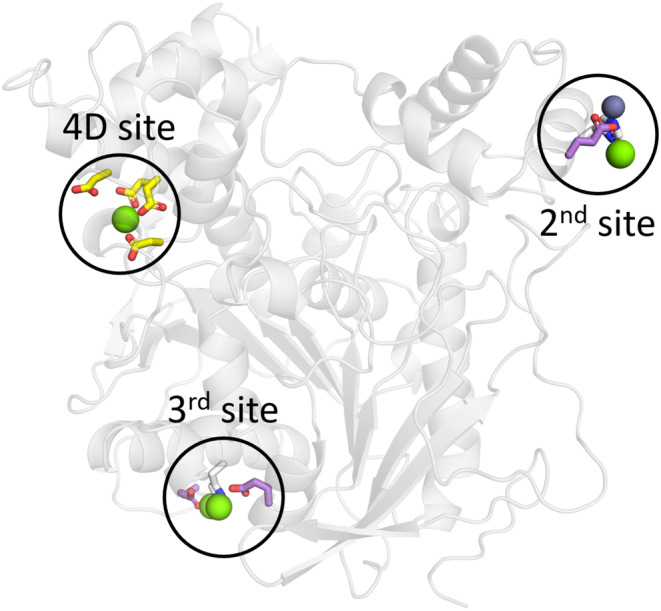
Crystal structure of acetylcholinesterase, PDB 7B38, with the 4D and two further metal-binding sites highlighted.
Metal-binding sites in Torpedo californica acetylcholinesterase · PDB 7B38.
Lushchekina et al., Protein Science (2024), Fig. 1. CC BY-NC 4.0. · View full figure
Molecular Function Regulation LaboratoryUniversiti Kebangsaan Malaysia
From atomic interactions to mechanismsProteins, RNA and molecular assemblies
Research tools for the communityGrAfSS · Drug ReposER · InterRNA

Our research

Small interactions.
Fundamental questions.

All research directions
01 / STRUCTURAL BIOINFORMATICS

Finding function in three-dimensional patterns

We compare local arrangements of amino acids to uncover functional relationships that sequence or overall fold comparisons can miss.

Structure and function
02 / RNA BIOLOGY

Understanding the architecture of RNA

We map base interactions, tertiary motifs and regulatory RNAs to investigate how molecular complexity and regulation emerge.

RNA and evolution
03 / MOLECULAR APPLICATIONS

Connecting mechanisms with new possibilities

Our research extends to drug repositioning, programmable nucleic-acid assemblies, pathogen biology and AI-assisted discovery.

Applications and directions
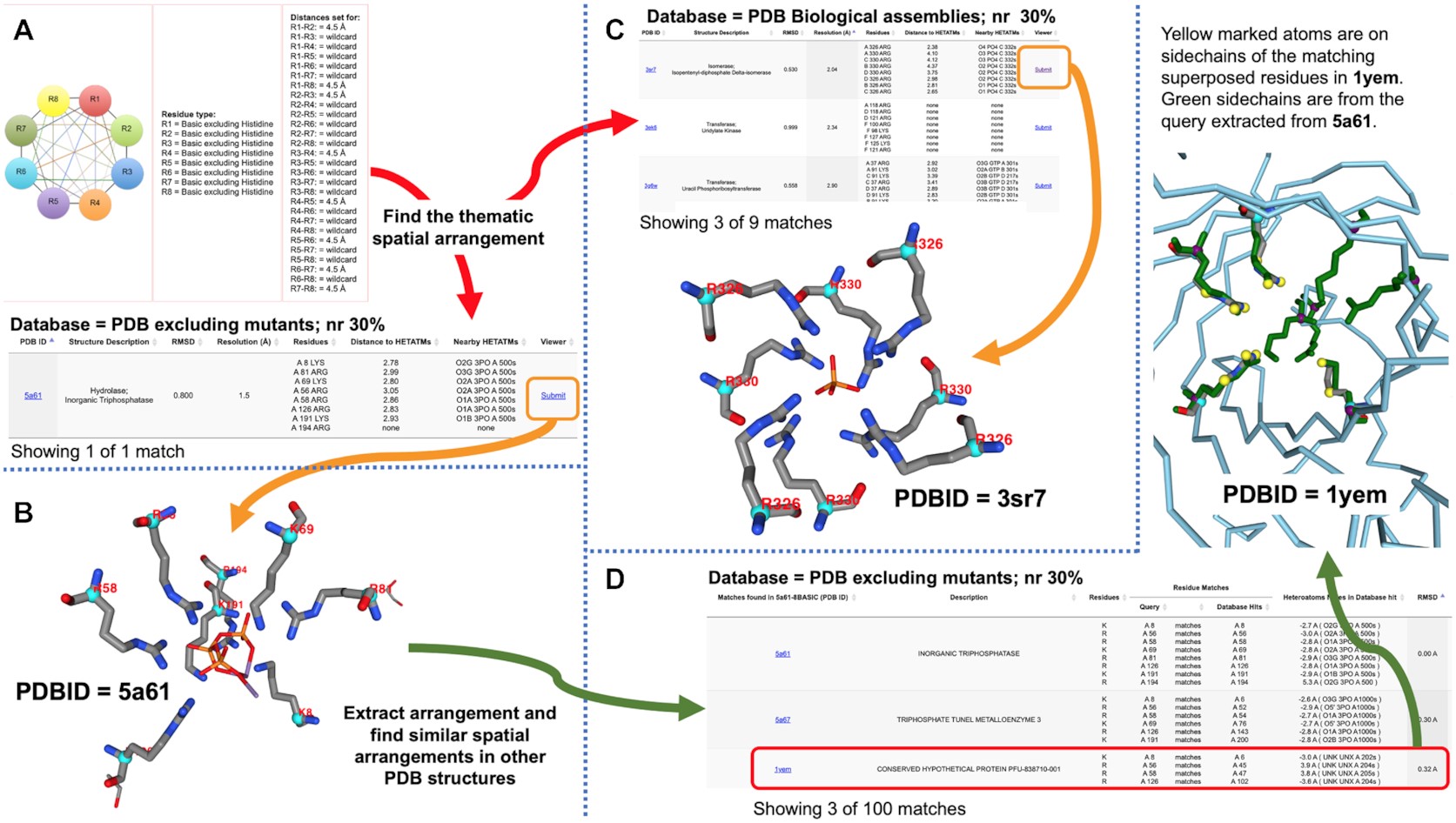
Published GrAfSS workflow showing an amino acid arrangement query, structural database matches and residue superpositions.
From a hypothetical amino-acid arrangement to matching sites in protein structures.
Ab Ghani et al., Nucleic Acids Research (2022), Fig. 3. CC BY 4.0. · View full figure

Research infrastructure

A different way to search biological structures.

GrAfSS brings together graph-based tools for finding and comparing three-dimensional arrangements in proteins and RNA. Begin with a known motif, a complete structure, or a theoretical arrangement.

Recent work
From the publication record

Browse all 68 publications
2026 · Extremophiles 30(1):2

Structural and functional annotation of Glaciozyma antarctica hypothetical proteins using integrated modeling pipelines

Integrated structural modelling for the annotation of uncharacterized proteins from a cold-adapted yeast.

Publication details
2025 · Structure

Understanding structural and functional diversity of ATP-PPases using protein domains and functional families in CATH database

Exploring structural and functional diversity in an ancient family of ATP-utilizing enzymes.

Publication details
2024 · Protein Science

Why is binding of a divalent metal cation to a structural motif containing four carboxylate residues not accompanied by a conformational change?

Investigating the geometry of a metal-binding motif built from four carboxylate residues.

Publication details
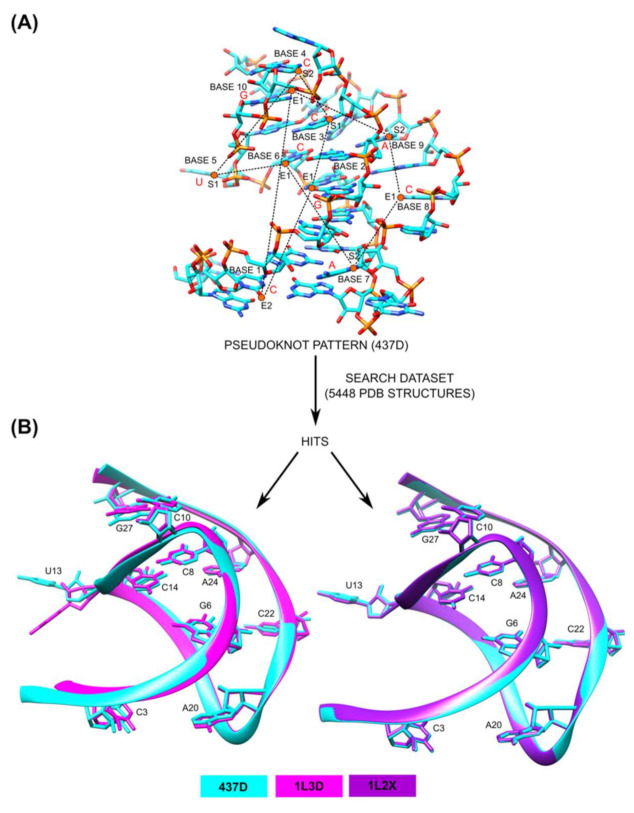
NASSAM pseudoknot search using 437D, with superpositions of RNA structures 1L3D and 1L2X.
RNA pseudoknot motifs identified through related base arrangements.
Emrizal, Hamdani & Firdaus-Raih, IJMS (2021), Fig. 8. CC BY 4.0. · View full figure

A molecular view of evolution

What persists when sequences change?

Local structural arrangements offer another way to investigate molecular conservation. Our work on RNA and proteins examines how small interaction networks support the organization and function of larger biological systems.

Work with MFRLab

Questions worth exploring together.

We welcome enquiries about research collaboration, postgraduate study and the use of our computational tools.